

PRODUCTS
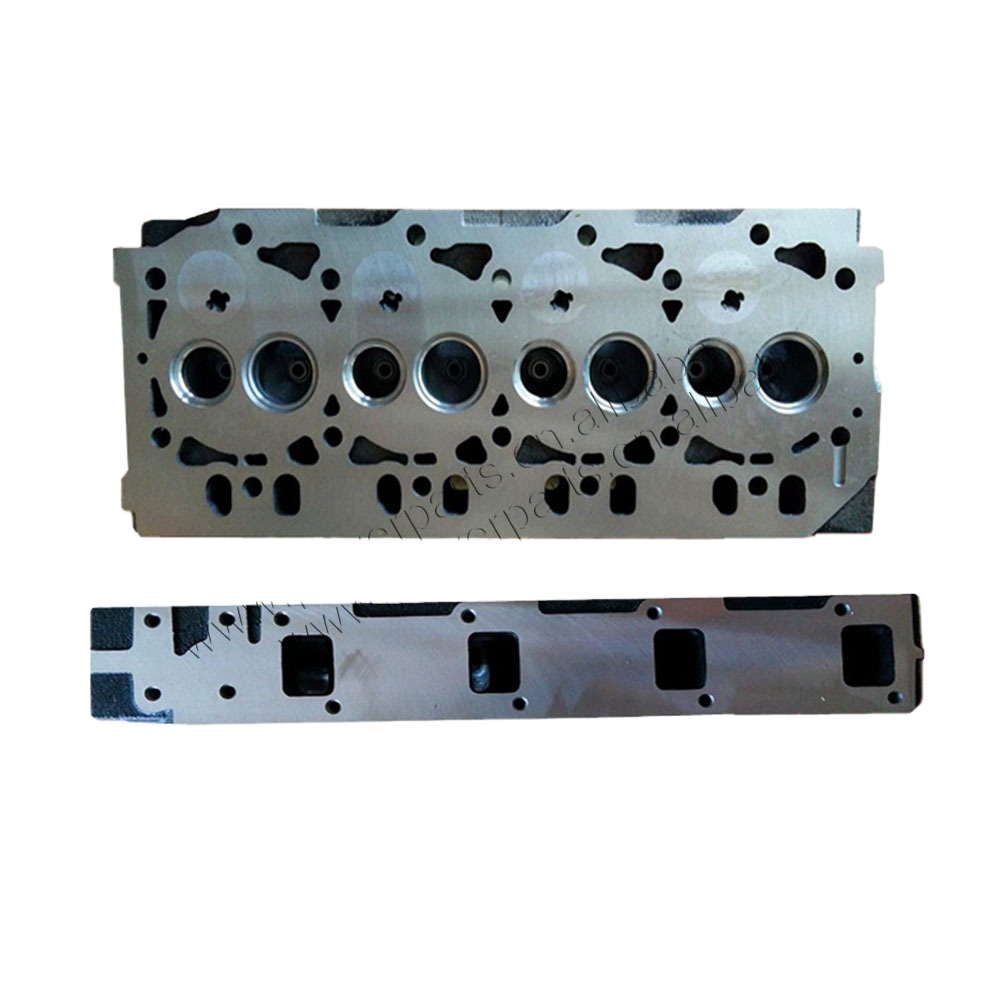
Excavator Cylinder Head for S4K S6K 3066 3204 3306 3116 C4.2 C7 C9 3406 3408 Engine Cylinder Head 2864033
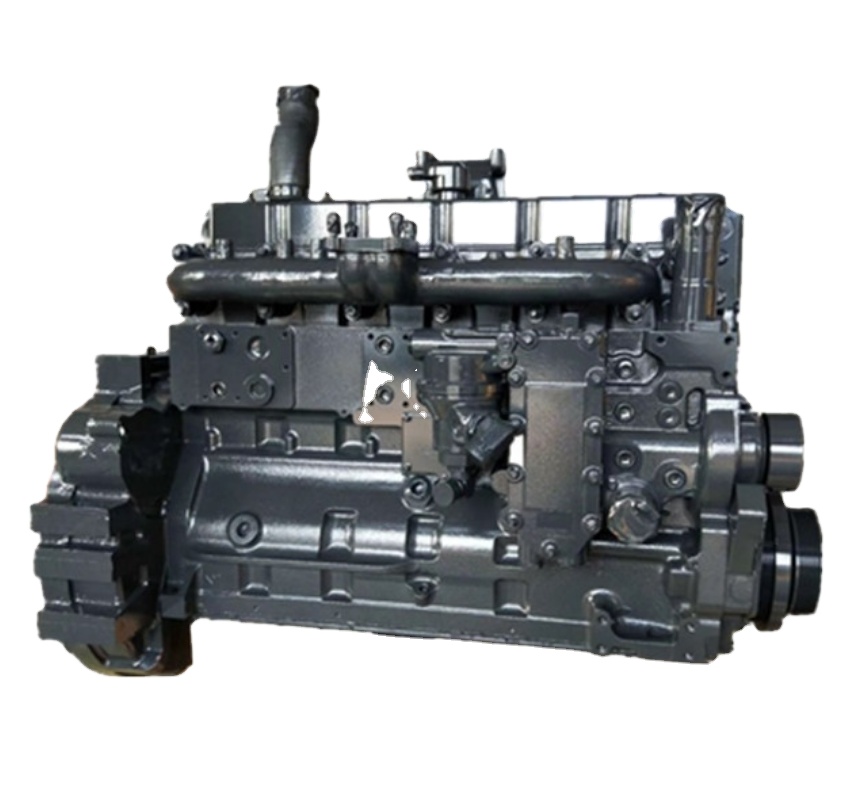
D7E Excavator Complete Motor Engine for Engine Assy Parts
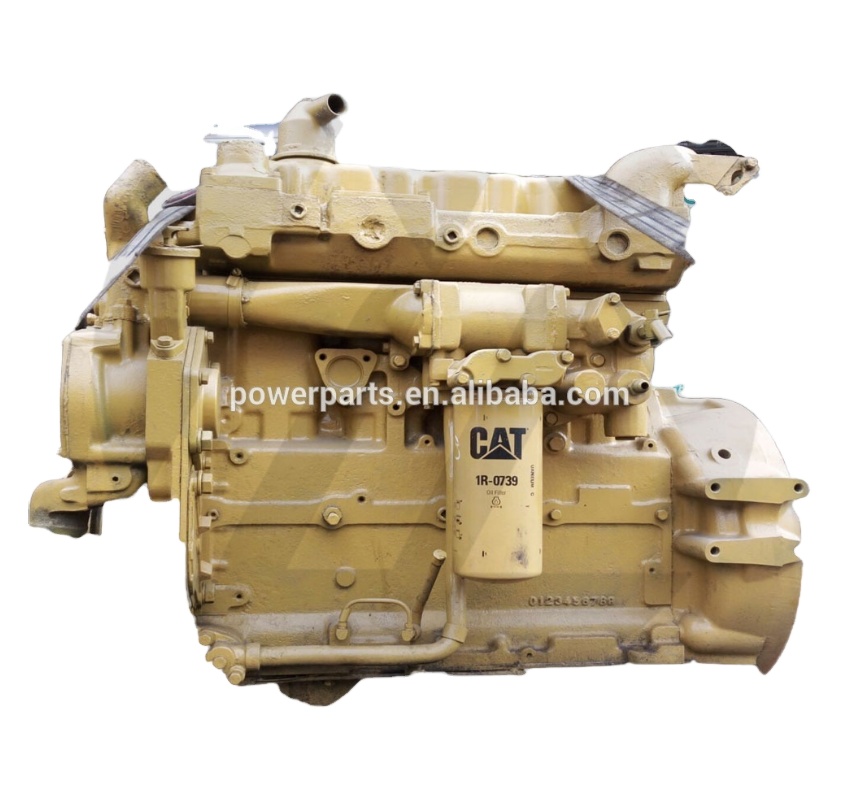
Genuine Used Bulldozer D4H Diesel Engine Assy for 3304T Motor Engine Spare Parts
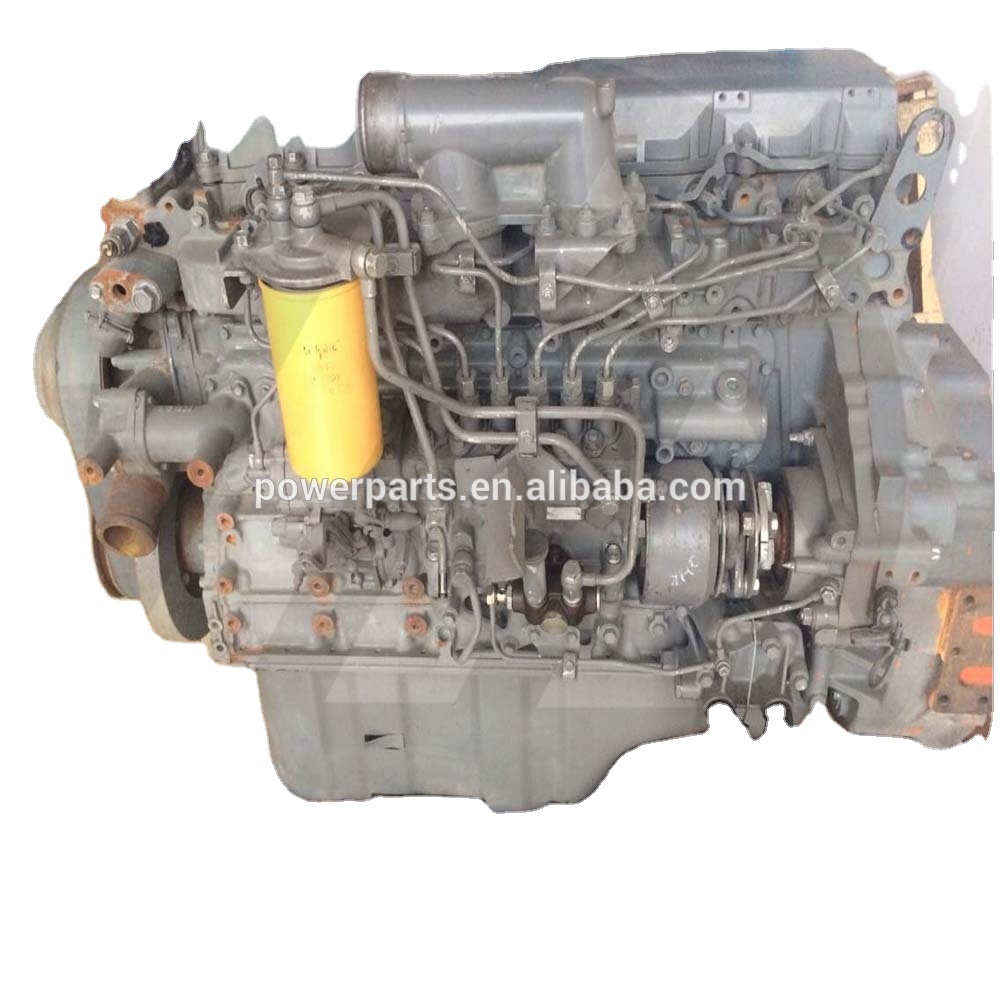
Original Used 4BG1 Motor Engine for Excavator Engine Assy
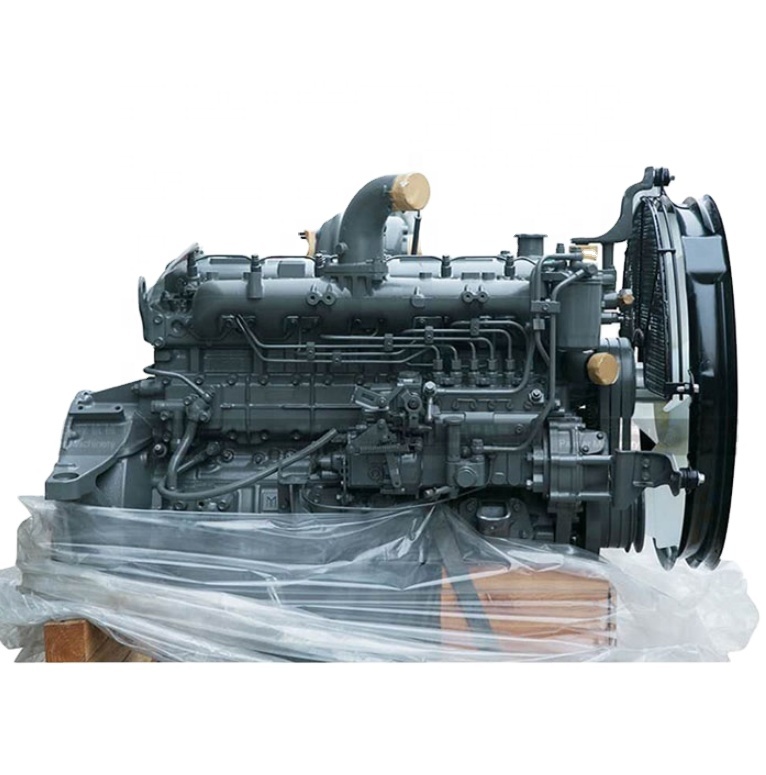
Full Motor Engine SAA6D107E-1 for Excavator Engine Parts PC200-8
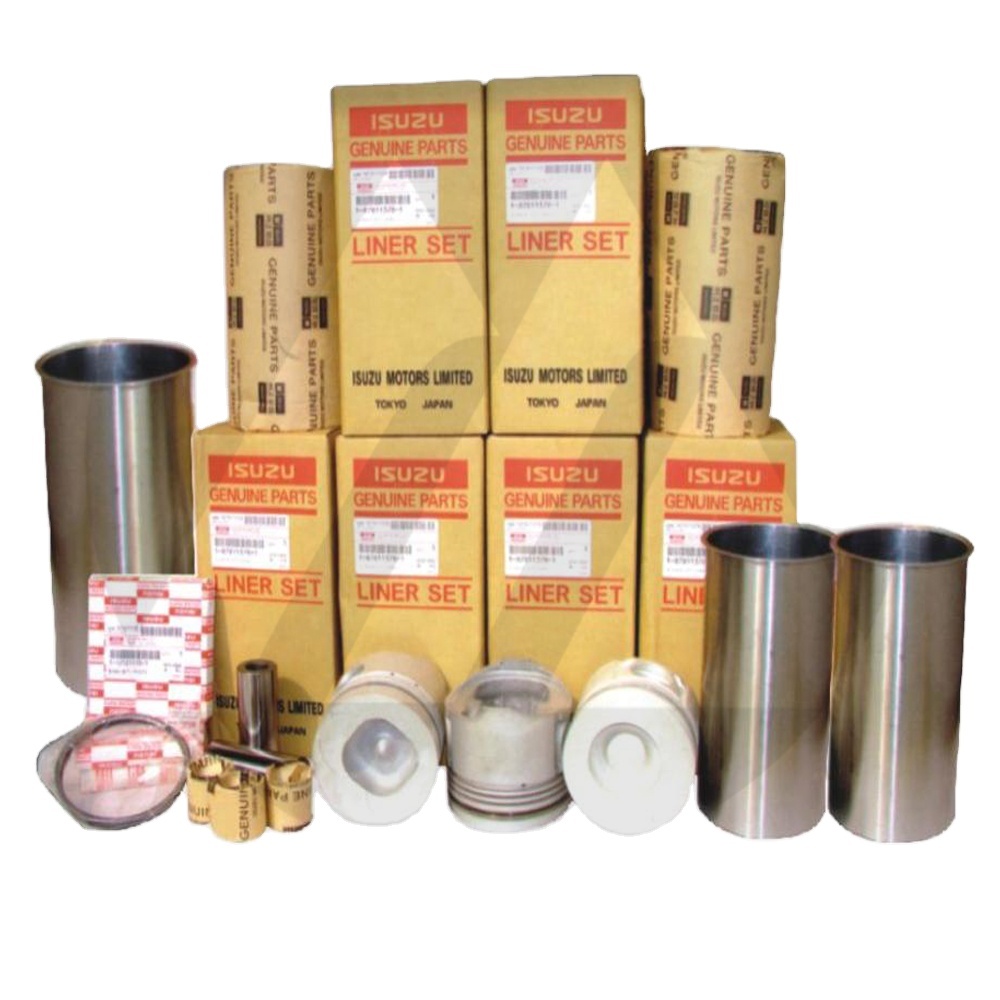
Durable Engine Parts 6RB1 4JB1 4HK1 6HK1 Liner Kit Rebuild Kit
Original New Excavator Complete diesel Engines DE12TIS 201-00083 for Doosan DAEWOO SOLAR470LC-V
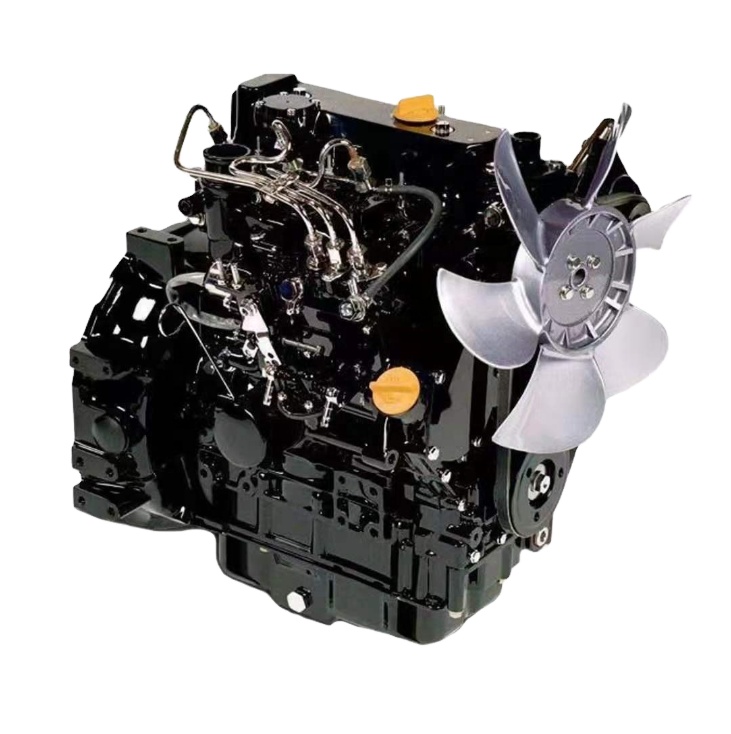
Original New Diesel 3TNV88 TB135 Complete Engine Assy for Excavator
How to choose the right high-speed press brake for sheet metal bending? Are HPV35 to HPV140 models the best solution for your factory?
The HPV35 to HPV140 models are an excellent solution for high-speed, precise sheet metal bending, but the right press brake for your factory depends on your specific material thickness, production volume, and budget. These CNC-controlled hydraulic press brakes offer bending capacities up to 140 tons, making them suitable for industrial manufacturing. For factory owners seeking to reduce labor costs and improve cycle times, this model range provides a scalable path to automation and reliability.
How CNC Press Brake Technical Specifications Address Your Production Challenges
Choosing the right press brake involves matching machine capabilities to your operational pain points, such as varying material thicknesses and the need for faster cycles without sacrificing accuracy. The HPV series addresses these through robust hydraulic systems and CNC control, ensuring consistent bend angles across high-volume runs. Below is a key specification overview for the model range:
| Parameter | Specification |
|---|---|
| Model Range | HPV35, HPV55, HPV70, HPV75, HPV132, HPV140 |
| Bending Capacity | Up to 140 tons (model dependent) |
| Control System | CNC (Computer Numerical Control) |
| Application | Sheet metal bending for industrial manufacturing |
This range allows procurement managers to select a model that precisely matches their tonnage requirements, avoiding over-investment while ensuring long-term durability. The CNC system directly addresses the need for high-speed production by reducing setup times and minimizing operator error on complex parts.
What is the working principle of a hydraulic press brake for industrial bending?
A hydraulic press brake uses synchronized hydraulic cylinders to drive a ram down onto a die, applying controlled force to bend sheet metal. This principle allows for high tonnage output and consistent pressure throughout the stroke, which is critical for bending thick materials without spring-back. The CNC system precisely controls the ram position and speed, enabling repeatable, accurate bends for industrial applications.
How to compare press brake models HPV35 vs HPV140 for high-volume production?
The HPV35 is designed for lighter, high-speed bending, while the HPV140 is built for heavy-duty, high-volume tasks. For high-volume production, the key differentiator is bending capacity and cycle time. The HPV35 offers up to 35 tons, ideal for thinner gauges, whereas the HPV140 provides up to 140 tons for thicker plates. Your choice should be based on the maximum material thickness and length you bend most frequently; selecting a model that matches your primary workload ensures optimal throughput and energy efficiency.
Are press brakes with CE certification safer for factory operations?
Yes, press brakes with CE certification are significantly safer for factory operations. This certification indicates compliance with European safety standards, including mandatory light curtains, safety relays, and emergency stop systems. While specific certifications for the HPV models are not listed, prioritizing CE or equivalent safety standards for any press brake is critical to protect operators and reduce liability in a B2B environment.
Press Brake Solutions for Factory Owners, Procurement Managers, and Fabricators
The HPV model range directly addresses the needs of three key audiences. Factory owners upgrading equipment benefit from reduced labor costs through CNC automation. Procurement managers evaluating long-term reliability can rely on the robust hydraulic design and scalable model options. Sheet metal fabricators needing high-speed, precise bending for complex parts will find the CNC control system essential for maintaining tight tolerances on repeat jobs, directly solving the pain point of achieving faster production cycles without compromising accuracy.
Expert Recommendations for Selecting Your Press Brake
- Match the press brake tonnage (from HPV35 to HPV140) to your most common material thickness and length to optimize cycle time and energy use.
- Prioritize CNC-controlled models for high-volume production to ensure bend accuracy and reduce operator dependency.
- Verify safety certifications (such as CE) as a non-negotiable requirement for factory compliance and worker protection.
- Consider the total cost of ownership, including maintenance of the hydraulic system, when evaluating long-term durability.
For detailed technical specifications or to discuss how the HPV series can be integrated into your production line, our engineering team is available to provide further support.
SUBSCRIBE
INQUIRY